
Let me guess. You saw the word “Fojatosgarto” somewhere, tried to say it out loud, and instantly assumed it was some impossibly tricky recipe reserved for pros. Truth is, I thought the exact same thing the first time. But here’s what I found out after actually making it: the answer to “is Fojatosgarto hard to cook” is a firm no.
- What Is Fojatosgarto?
- Where Does Fojatosgarto Come From?
- Why Fojatosgarto Looks Harder Than It Really Is
- Is Fojatosgarto Beginner Friendly?
- Key Ingredients Needed for Fojatosgarto
- Essential Kitchen Tools for Cooking Fojatosgarto
- Step-by-Step Process for Cooking Fojatosgarto
- How Long Does Fojatosgarto Take to Cook?
- What Makes Fojatosgarto Hard or Easy to Prepare?
- Common Mistakes to Avoid When Cooking Fojatosgarto
- Tips for Getting Perfect Results Every Time
- Best Meat Options for Fojatosgarto
- Vegetarian and Modern Variations of Fojatosgarto
- What to Serve With Fojatosgarto
- Flavor Profile: What Does Fojatosgarto Taste Like?
- Can You Make Fojatosgarto in a Slow Cooker?
- How to Store and Reheat Leftover Fojatosgarto
- Final Verdict: Is Fojatosgarto Hard to Cook?
- Frequently Asked Questions
- Is Fojatosgarto hard to cook for beginners?
- How long does it take to cook Fojatosgarto?
- What ingredients are in Fojatosgarto?
- What meat is best for Fojatosgarto?
- Can Fojatosgarto be made vegetarian?
- What are the biggest mistakes when cooking Fojatosgarto?
- Can you cook Fojatosgarto in a slow cooker?
- What does Fojatosgarto taste like?
- Is Fojatosgarto a traditional Eastern European dish?
- What makes Fojatosgarto easier to prepare?
It’s a slow, cozy, one-pot kind of dish. The type that mostly minds itself while you go do something else. If you can handle a knife and wait around for a bubbling pot, you’re already qualified. So grab a coffee and stick with me — I’ll walk you through everything, and by the end you’ll wonder why you were ever nervous.
What Is Fojatosgarto?
Picture a dish that can’t quite decide if it’s a stew or a roast, so it happily becomes both. That’s Fojatosgarto. Chunks of meat go soft and tender, sweet peppers melt down, and a warm, spiced broth wraps around it all. Spoon it up and it feels like a hug in a bowl.
The name loosely means “stewed roast,” which honestly sums it up perfectly. It’s rustic and homey, the kind of thing you’d want on a rainy night. And the best part? It bends easily to whoever is cooking, whether that’s a first-timer or someone who’s been running a kitchen for years.
|
Quick Facts |
Details |
|---|---|
|
Dish type |
Slow-cooked stew-roast blend |
|
Origin |
Eastern European cuisine |
|
Skill level |
Easy to moderate (great for newbies) |
|
Prep time |
15–20 minutes |
|
Stovetop simmer |
1.5–2 hours |
|
Slow cooker |
4–6 hours on low |
|
Go-to protein |
Pork belly or pork shoulder |
|
Signature spice |
Sweet Hungarian paprika |
|
Pairs well with |
Rice, potatoes, or crusty bread |
|
Taste |
Savory, creamy, rich, comforting |
Where Does Fojatosgarto Come From?
This one carries the fingerprints of old Eastern European country kitchens. It grew out of necessity, really — families would take tougher, cheaper cuts of meat and coax them into something wonderful using low heat, garden vegetables, and a generous hand with paprika.
What caught my attention is how much it shifts from house to house. One cook swears by a heavy dose of sour cream. Another leans hard into peppers. Someone else skips meat entirely. That flexibility is exactly why it has stuck around — deep roots, but wide open to your own spin.
Why Fojatosgarto Looks Harder Than It Really Is
It’s the name, not the method
Let’s be honest, the name does all the intimidating. It sounds like something you’d only find on a fancy tasting menu, never on your own stove.
But peel back that scary label and what’s underneath is simple: brown, sauté, simmer. Three moves. That’s the whole game. The only “difficult” ingredient is time, because slow cooking refuses to be rushed. So whenever you catch yourself asking is Fojatosgarto hard to cook, remember the real hurdle is patience, not some secret technique.
Is Fojatosgarto Beginner Friendly?
If you ask me, this is one of the friendliest dishes a beginner could pick. It’s forgiving in the best way. Left it simmering a little long? The meat just turns more tender. Splashed in a bit too much broth? Let it reduce and carry on.
New cooks fall for it because the steps feel doable, yet the finished bowl looks like you really worked for it. So no, Fojatosgarto is not hard to cook, even on your very first attempt. Show up, follow the order, and let the pot handle the drama.
Key Ingredients Needed for Fojatosgarto
Good news: nothing here is exotic or hard to track down. Most of it probably lives in your fridge already.
Your shopping list
- Pork belly or pork shoulder — chopped into bite-sized chunks
- Onions — finely diced, the base of all that flavor
- Bell peppers — for a pop of color and mild sweetness
- Fresh garlic — cloves preferred, though powder works in a rush
- Sweet Hungarian paprika — the heart and soul of the dish
- Parsley and dill — fresh herbs that brighten everything up
- Potatoes or rice — pick your starch
- Beef or vegetable broth — builds that deep, savory body
- Olive oil — for searing and sautéing
- Tomato paste — thickens and enriches the sauce
- Sour cream — that dreamy creamy finish
- Salt and black pepper — season as you go
One tip from me: fresh really does matter here. Fresh garlic and a quality paprika lift the entire pot from good to genuinely memorable.
Essential Kitchen Tools for Cooking Fojatosgarto
No gadget shopping required. You almost certainly own all of this already.
The basics you’ll reach for
- A large pot or Dutch oven with plenty of room
- A sturdy stirring spoon
- Measuring cups for your broth and spices
- A cutting board and a decent knife
- An airtight container to stash leftovers
- Optional: a slow cooker for the hands-off crowd
Setting everything out before you start makes the whole thing feel calm instead of frantic. Little habit, big difference — I promise!
Step-by-Step Process for Cooking Fojatosgarto
Here’s the part I love. Take these in order and there’s honestly not much room to mess up.
Step 1: Get everything prepped (15–20 minutes)
Dice your veggies, cut the pork into even, bite-sized pieces, and measure out the spices and broth. Doing this upfront turns cooking from chaos into something almost relaxing.
Step 2: Sear the pork
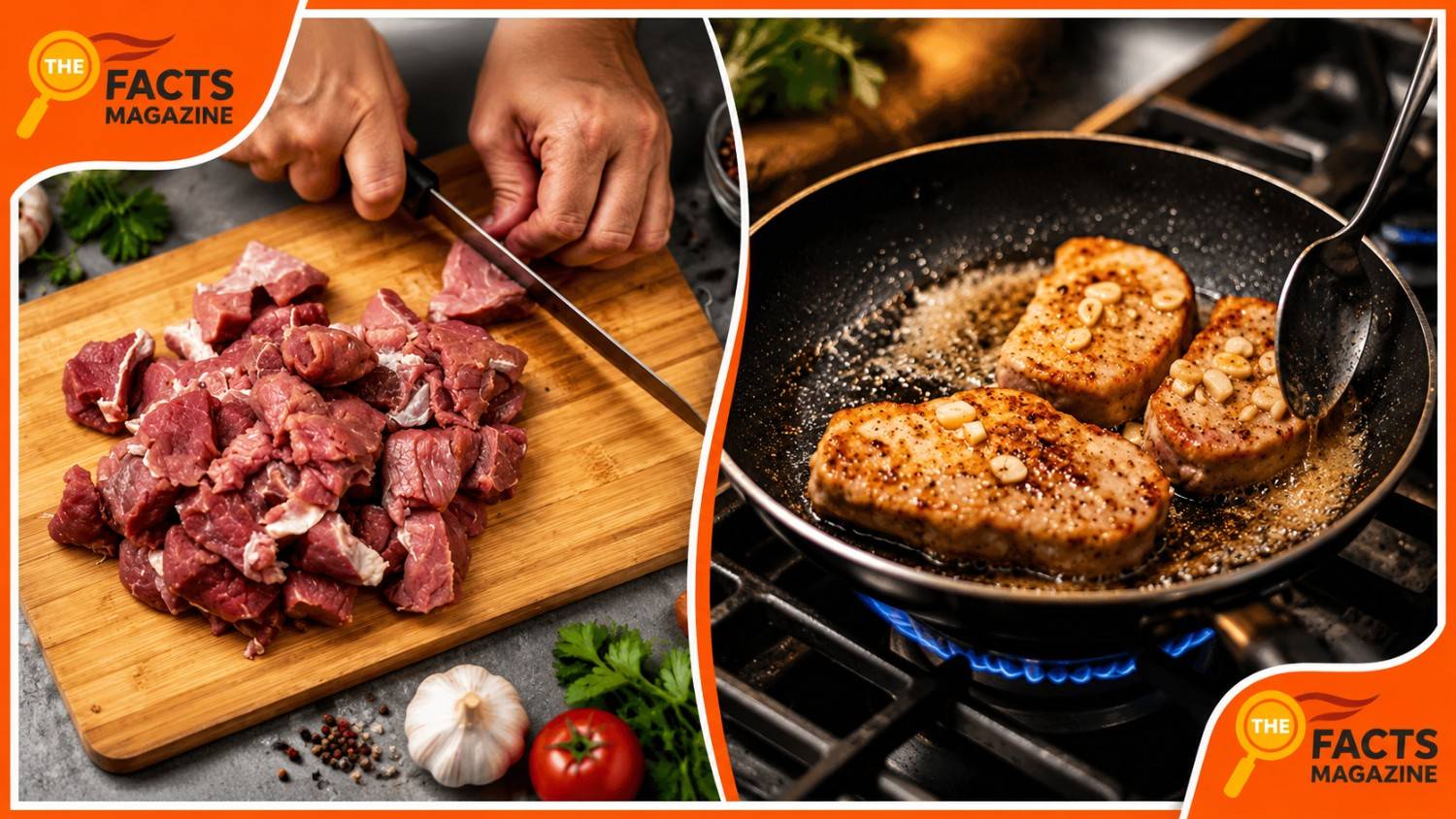
Warm the olive oil in your large pot over medium heat. Add the pork in small batches and let it brown properly — resist crowding the pan! That golden crust locks in the juices and lays down a serious flavor foundation.
Step 3: Sauté the vegetables
Toss the onions, garlic, and bell peppers into the same pot. Cook until they soften and turn sweet. Keep an eye on them, though — nobody wants scorched garlic.
Step 4: Layer in the sauce
Slide the pot off the heat before stirring in the paprika, which keeps it from turning bitter. Then spoon in the tomato paste and pour a splash of broth to deglaze, scraping up every tasty browned bit stuck to the bottom.
Step 5: The slow simmer
Return the pork, add the rest of the broth, and let it bubble gently for 1.5 to 2 hours. Peek in occasionally, give it a stir, and let time do its thing.
Step 6: Finish and dig in
Taste and tweak the seasoning, swirl in some sour cream for creaminess, then shower it with fresh parsley and dill right before serving. Absolutely delicious!
How Long Does Fojatosgarto Take to Cook?
Set aside roughly 15–20 minutes for prep, then let it simmer on the stove for 1.5 to 2 hours. Prefer a slow cooker? Pop it on low and give it 4–6 hours instead.
So while Fojatosgarto is not hard to cook, it’s definitely not a 10-minute weeknight sprint either. Most of that cooking time is completely hands-off, which is why it’s perfect for a slow, lazy weekend at home.
What Makes Fojatosgarto Hard or Easy to Prepare?
It all comes down to two things
Timing and temperature. That’s the whole secret. Cut the simmer short and your meat stays chewy. Crank the heat too high and you’ll scorch that lovely sauce.
Keep the flame low and steady, though, and the dish practically cooks itself. Honestly, patience and a little consistency are what quietly flip Fojatosgarto from “tricky” to “totally easy.”
Common Mistakes to Avoid When Cooking Fojatosgarto
A few small stumbles trip up first-timers. Dodge these and you’ll nail it right out of the gate.
- Skipping the sear — that browning is where deep flavor is born
- Overcrowding the pot — packed meat steams instead of browning
- Scorching the paprika — always stir it in off the heat
- Adding too much broth — you want a rich sauce, not soup
- Wandering off while sautéing — garlic and onions burn fast
Tips for Getting Perfect Results Every Time
- Reach for fresh ingredients — fresh herbs and garlic genuinely shine.
- Prep before you cook so you’re never scrambling mid-recipe.
- Keep the heat gentle — slow cooking thrives on low, steady warmth.
- Pick forgiving cuts like pork shoulder that grow tender over time.
- Season near the end too, not just at the start, and adjust to taste.
Stick to these and consistently good Fojatosgarto stops feeling like a lucky accident.
Best Meat Options for Fojatosgarto
Pork belly is the traditional star, melting into rich, buttery bites. Pork shoulder is a slightly leaner swap that’s just as forgiving on the stove.
Want to switch things up?
- Chicken thighs — juicy and nearly impossible to overcook
- Turkey chunks — leaner, and lovely against all that paprika
- Lamb pieces — earthy and bold, ideal for a special dinner
Vegetarian and Modern Variations of Fojatosgarto
This is where you get to have real fun, because the dish welcomes experimenting.
The vegetarian route
Trade the pork for firm tofu and bulk things up with mushrooms, zucchini, or cauliflower. You still land a protein-rich, cozy bowl — just meat-free and every bit as satisfying.
The spicy version
Crave a little heat? Stir in a pinch of cayenne, sprinkle in chili flakes, or finish with fresh chopped chilies. The slow simmer softens the burn into a warm, balanced glow.
The smoky twist
Swap half your sweet paprika for smoked paprika to add a gorgeous depth. A splash of red wine in the broth pushes it even further. So, so good!
What to Serve With Fojatosgarto
This dish practically begs for something to soak up its saucy goodness. Ladle it over fluffy rice, set it beside buttery potatoes, or tear off a chunk of crusty bread for dunking.
A generous dollop of sour cream on top never goes amiss either. Keep the sides simple and let those rich flavors take the spotlight.
Flavor Profile: What Does Fojatosgarto Taste Like?
Close your eyes and imagine tender meat, that warm sweetness from paprika, a deep savory broth, and a creamy tail end pulling it all together. It’s hearty, snug, and deeply satisfying.
The flavors stack up in layers — sweetness from the peppers, gentle earthiness from the paprika, and richness from all that slow-cooked meat. If comfort food had a definition, this would be it.
Can You Make Fojatosgarto in a Slow Cooker?
Absolutely, and it might be my favorite shortcut for busy days! Do your searing and sautéing on the stove first, then tip everything into the slow cooker. Set it to low, leave it for 4–6 hours, and let it work while you get on with life.
You’ll come back to fall-apart tender meat with barely any effort. Yet more proof that Fojatosgarto is not hard to cook — it just asks for a little time.
How to Store and Reheat Leftover Fojatosgarto
Let the dish cool down fully first — that step really matters for food safety. Then transfer it to an airtight container and refrigerate for three to four days.
When you’re ready for round two, warm it gently on the stove over low heat, splashing in a little broth if it’s thickened. Here’s the fun part: leftovers often taste even better the next day, once all those flavors have had time to get cozy together.
Final Verdict: Is Fojatosgarto Hard to Cook?
Let’s put this to rest for good. Fojatosgarto is not hard to cook. It simply asks you for a bit of patience, careful timing, and a slow, gentle approach. With fresh ingredients, tidy prep, and a step-by-step rhythm, any beginner can absolutely pull it off at home.
So don’t let that fancy-sounding name spook you. Fire up your pot, brown some pork, and let it simmer away. You’ll end up with a rich, comforting meal that tastes like you slaved over it for hours — even though you basically just waited. Happy cooking!
Frequently Asked Questions
Is Fojatosgarto hard to cook for beginners?
Not one bit. It’s wonderfully beginner friendly thanks to its simple steps and forgiving nature. What you really need is patience, not fancy skills.
How long does it take to cook Fojatosgarto?
Roughly 15–20 minutes of prep, then 1.5 to 2 hours of simmering on the stove. In a slow cooker, count on 4–6 hours on low.
What ingredients are in Fojatosgarto?
Pork, onions, bell peppers, garlic, sweet Hungarian paprika, parsley, dill, broth, olive oil, tomato paste, sour cream, and either potatoes or rice.
What meat is best for Fojatosgarto?
Pork belly is the classic favorite, but pork shoulder works beautifully too. Chicken thighs, turkey, and lamb all make great alternatives.
Can Fojatosgarto be made vegetarian?
Yes! Swap the meat for firm tofu and pile in mushrooms, zucchini, or cauliflower for a hearty, meat-free bowl.
What are the biggest mistakes when cooking Fojatosgarto?
Skipping the sear, overcrowding the pot, burning the paprika, and drowning it in broth are the usual culprits.
Can you cook Fojatosgarto in a slow cooker?
Definitely. Sear and sauté on the stove first, then move everything to the slow cooker and cook on low for 4–6 hours.
What does Fojatosgarto taste like?
Rich, savory, and creamy with a gentle paprika sweetness. Think warm, layered, spoon-worthy comfort food.
Is Fojatosgarto a traditional Eastern European dish?
Yes, it’s rooted in Eastern European country cooking, built around slow-cooked meat, sweet peppers, and plenty of paprika.
What makes Fojatosgarto easier to prepare?
Using fresh ingredients, prepping everything ahead, staying organized, keeping the heat low, and choosing forgiving cuts of meat.
For More information visit The Facts Magazine